
Introduction
Bali is one of the most magical destinations on earth — lush rice terraces, ancient temples, world-class surf, and some of the most welcoming people you will ever meet. And here is the secret most travel blogs will not tell you: the cheapest time to visit Bali is predictable, well-defined, and absolutely worth planning around.
Whether you are a backpacker on a shoestring, a couple trying to stretch your honeymoon budget, or a first-time visitor who wants to experience Bali without maxing out your credit card, this guide is for you. We break down every month of the year, explain when flights and hotels are cheapest, when the weather is most forgiving, and which seasons are crawling with tourists versus when you will practically have the island to yourself.
This is not just a simple calendar overview. For every period covered, you will find specific price benchmarks, weather reality checks, insider tips from experienced Bali travellers, and a clear verdict on whether it is worth booking. By the end, you will know exactly when to buy your ticket.
Table of Contents
Understanding Bali’s Seasons at a Glance
Month-by-Month Budget Breakdown
1. January: Wet But Wonderfully Cheap
2. February: The Quietest Month on the Island
3. March: Shoulder Season Sweet Spot
4. April: Great Value Before the Crowds
5. May: One of the Best Times to Visit
6. June: Rising Prices, Rising Energy
7. July and August: Peak Season (Most Expensive)
8. September: Prices Drop, Sun Stays
9. October: An Underrated Budget Gem
10. November: Wet Season Begins, Deals Return
11. December: Festive Prices Surge
Quick-Reference: Cheapest Months at a Glance
Budget Travel Tips: Making the Most of Low Season
Understanding Bali’s Seasons at a Glance
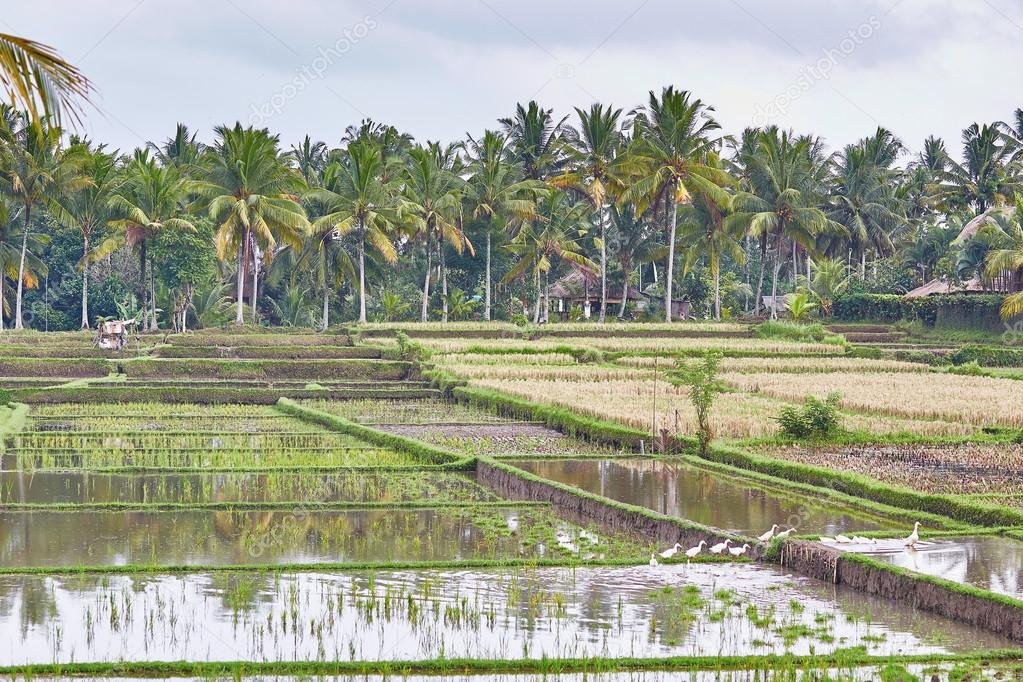
[IMAGE] File: bali-rice-terraces-low-season.jpg | Alt: “Bali rice terraces during low season with lush green scenery and few tourists”
Before diving into the month-by-month breakdown, it helps to understand the two seasons that govern almost everything in Bali, from hotel pricing to how busy the roads are.
The Dry Season (April to October)
Bali’s dry season runs roughly from April through October, with July and August being the absolute peak. During these months, expect blue skies, low humidity, and almost zero rainfall. This is when Bali is at its most beautiful — and most expensive. Flights from Australia, Europe, and the US are at their highest, hotels fill up weeks in advance, and popular spots like Tanah Lot can feel like a theme park queue.
The Wet Season (November to March)
The wet season does not mean non-stop rain. It typically means heavy but short afternoon downpours — most mornings remain sunny and warm. Humidity is higher, some roads can flood briefly, and a handful of outdoor activities become less reliable. But prices drop significantly. Flights can be 30 to 50% cheaper than peak rates, and beachfront villas that would otherwise cost $150 per night can drop to $70 or less.
The golden insight for budget travellers: the wet season is not a write-off. For the right visitor, it is the best-value window on the Bali calendar.
Month-by-Month Budget Breakdown
Here is the complete guide to every month, with pricing context, weather expectations, and a verdict for budget travellers.
1. January: Wet But Wonderfully Cheap
What to Expect
January sits firmly in the wet season. Rainfall is frequent, particularly in the afternoons, but mornings are often sunny and warm. The island is noticeably quieter than December, as post-Christmas tourists have departed and the next wave will not arrive until Easter.
Pricing
Flights: Return from Sydney or Melbourne: AUD $350-$500 vs $700-$1,000+ in peak. From the UK: GBP 450-650 return.
Hotels: Budget guesthouses in Ubud from $15-$25/night. Mid-range villas in Seminyak from $50-$80/night. Beachfront Canggu from $60/night.
Overall Budget: A comfortable solo trip of AUD $50-$70/day is very achievable.
Weather Reality
Expect afternoon showers most days, occasionally heavy. Morning surf sessions and sightseeing are generally fine. Bring a compact raincoat and embrace it — the island looks stunning in the rain-drenched wet season.
Insider Tip
Visit the Campuhan Ridge Walk in Ubud at dawn before the rain arrives, and you will often have the entire trail to yourself. Book accommodation with a covered outdoor area so you can enjoy the sound of rain in comfort.
Verdict: Excellent for budget travellers comfortable with occasional rain. One of the two or three cheapest months of the year.
2. February: The Quietest Month on the Island
What to Expect
February is arguably the quietest month in Bali. International visitor numbers are at their lowest, resulting in shorter queues at temples, faster service at warungs, and a palpable sense of calm over even the most popular areas. Nyepi (Balinese New Year) sometimes falls in late February or early March, offering a once-in-a-lifetime cultural experience.
Pricing
Flights: AUD $320-$480 return from Australia. Flash sales during this month can offer remarkable deals.
Hotels: Budget rooms from $10-$18/night in Ubud. Private pool villas in Seminyak from $80-$110/night.
Weather Reality
February typically sees the most rainfall of any month. Humidity is high. However, many travellers report days of unexpected sunshine. Surfing at Balangan or Padang Padang remains excellent — swell is strong and crowds are thin.
Insider Tip
If Nyepi falls during your visit, embrace it fully. The entire island goes dark and silent for 24 hours — no lights, no vehicles, no noise. Staying in a villa with a pool and watching the Milky Way emerge over a silent Bali is a memory you cannot buy in high season.
Verdict: The cheapest month of the year. Perfect for solo travellers, digital nomads, and anyone seeking authentic, uncrowded Bali.
3. March: Shoulder Season Sweet Spot
What to Expect
March marks the tail end of the wet season. Rain becomes less frequent and intense as the month progresses, and by late March many days are completely dry. Tourist numbers begin to tick up slightly, particularly around Easter if it falls in March.
Pricing
Flights: AUD $400-$550 return from Australia. Book early if Easter falls in March — prices spike significantly that week.
Hotels: Still well below peak rates. Mid-range hotels at $35-$65/night across most areas.
Weather Reality
Progressive improvement throughout the month. Rice paddies are at their most lush and vibrant green — incredible for photography, particularly in Tegalalang and Jatiluwih.
Insider Tip
March is ideal for visiting Bali’s waterfalls. After months of rain, falls like Sekumpul and Gitgit are at maximum volume and power — dramatically beautiful and rarely visited mid-week.
Verdict: A smart choice for budget travellers who want low prices and improving weather. Book accommodation early if Easter falls in March.
4. April: Great Value Before the Crowds
What to Expect
April is a transition month with excellent value. The wet season has effectively ended, skies are clearing, and the island is genuinely beautiful. The Easter holiday period creates a brief price spike, but outside those two weeks, April offers remarkable value.
Pricing
Flights: AUD $480-$680 return outside Easter. Prices spike significantly during Easter week itself.
Hotels: Non-Easter April: $30-$60/night for solid mid-range. Easter week: budget on paying 30-50% more.
Weather Reality
Dry and sunny for most of the month. Humidity drops to comfortable levels. Prime weather for outdoor activities — rice terrace walks, volcano hikes, and beach days all become reliably enjoyable.
Insider Tip
If flexible, target the week immediately after Easter. Prices drop sharply, weather remains excellent, and the brief Easter crowd has dispersed. It is arguably the best-value week in the entire dry season.
Verdict: Outstanding value outside Easter. Excellent weather. Highly recommended.
5. May: One of the Best Times to Visit
What to Expect
May is widely considered one of the best all-round months to visit Bali — and one of the best for budget travellers specifically. The dry season is in full swing, crowds have not peaked yet, and prices have not caught up with the quality of the conditions.
Pricing
Flights: AUD $520-$720 return from Australia. Not the cheapest of the year, but excellent value given the conditions.
Hotels: Mid-range $45-$80/night. Private pool villas from $100-$150/night. Good availability across all areas.
Weather Reality
Low humidity, consistent sunshine, reliable surf, and cool evenings in Ubud. This is picture-postcard Bali weather without the July-August crush.
Insider Tip
Book Ubud activities in advance — yoga retreats and cooking classes fill quickly even in May. For south Bali, walk-in rates are still readily available and negotiable.
Verdict: Top-tier choice. Excellent conditions, reasonable prices, manageable crowds. Bali at its best for budget-conscious visitors.
6. June: Rising Prices, Rising Energy
What to Expect
June is the final affordable month before peak season hits. It is also one of the most festive — the Bali Arts Festival runs throughout June and July, filling Denpasar with traditional music, dance, and craft exhibitions. The island feels alive.
Pricing
Flights: AUD $600-$850 return. Prices are climbing but have not hit their ceiling yet.
Hotels: Mid-range $55-$90/night. Premium areas like Seminyak and Nusa Dua are getting more expensive.
Weather Reality
Excellent conditions throughout June. Reliable sunshine, low rainfall, and comfortable temperatures across the island.
Insider Tip
For the best June value, stay in Canggu or Pererenan rather than Seminyak — you will get a similar vibe and beach access for 20-30% less per night.
Verdict: Good value early in the month. Start of the transition to peak pricing. Book early for best rates.
7. July and August: Peak Season (Most Expensive)
[IMAGE] File: bali-peak-season-crowded-beach.jpg | Alt: “Crowded Bali beach during peak season July and August with many tourists”
What to Expect
July and August are Bali’s peak season. Flights are at their most expensive, hotels are booked weeks in advance, popular restaurants require reservations, and roads between Seminyak and Ubud can be genuinely gridlocked. The island is buzzing with energy, but it comes at a steep cost.
Pricing
Flights: AUD $900-$1,400+ return from Australia. UK travellers: GBP 700-1,000+. Book 3-4 months in advance minimum.
Hotels: Budget dorms $20-$30/night. Mid-range doubles $80-$150/night. Private villas in popular areas $180-$400+/night.
Weather Reality
Peak season weather is genuinely excellent — low humidity, consistent sunshine, cool nights in the highlands. The island is at its most visually striking. The trade-off is the crowds and the cost.
Insider Tip
If you must travel in July or August, base yourself in less-touristy areas like Amed (east coast), Lovina (north), or inland near Sidemen. Prices are 40-60% cheaper than Seminyak, the scenery is arguably better, and the experience is far more authentic.
Verdict: The most expensive period of the year. Avoid if budget is a priority. If unavoidable, book months ahead and consider off-the-beaten-path locations.
8. September: Prices Drop, Sun Stays
What to Expect
September is one of Bali’s most underrated months. Peak season ends abruptly after school holidays conclude in most Western countries, and prices fall significantly — while the excellent dry-season weather carries on almost unchanged.
Pricing
Flights: AUD $580-$750 return. A significant drop from August highs with no corresponding drop in quality.
Hotels: Mid-range $50-$80/night. Private pool villas from $110-$160/night. High availability.
Weather Reality
September is still solidly in the dry season. Warm days, low humidity, and reliable sunshine. Some of the best surf of the year arrives on the west coast during September swells.
Insider Tip
This is the ideal month for diving and snorkelling. Visibility around Nusa Penida and Amed is outstanding, dive operators have more availability, and prices for PADI courses and dive packages drop post-peak.
Verdict: Excellent all-round month. Near-peak weather with significantly lower prices. Highly recommended.
9. October: An Underrated Budget Gem
What to Expect
October is perhaps the most underrated month in the Bali calendar for budget travellers. The dry season is wrapping up but has not ended, prices are well below peak, and the island returns to a more relaxed pace after months of intensive tourism.
Pricing
Flights: AUD $480-$680 return. Some of the best deals of the year appear mid-October.
Hotels: Mid-range $40-$65/night across most areas. Genuine value for money island-wide.
Weather Reality
Generally sunny with the first hints of the wet season appearing late in the month. Occasional afternoon showers return, but mornings remain reliably clear. The island transitions to a deeper, more saturated green.
Insider Tip
October is ideal for visiting Bali’s temples without the crowds. Head to Pura Lempuyang (the Gates of Heaven) on a mid-week morning and you may find it almost empty — a stark contrast to the July queues of several hours.
Verdict: One of the top choices for budget travellers. Great value, good weather, and a more authentic island experience.
10. November: Wet Season Begins, Deals Return
What to Expect
November marks the official return of the wet season, and with it comes a noticeable drop in prices. Tourist numbers fall, beach clubs quieten, and accommodation providers become more flexible on pricing.
Pricing
Flights: AUD $380-$550 return. Prices can be among the lowest of the year mid-month.
Hotels: Budget rooms from $12-$20/night. Quality mid-range doubles from $35-$55/night.
Weather Reality
Afternoon rain becomes more regular from mid-November onwards. Mornings are generally clear. Humidity increases. The north of Bali around Lovina tends to receive less rainfall than the south and can be a smart base this time of year.
Insider Tip
November is a great time for Bali cooking classes, spa treatments, and cultural experiences — all indoor or semi-outdoor activities unaffected by rain, and often heavily discounted due to low demand.
Verdict: Very budget-friendly. Best suited to flexible travellers comfortable with some afternoon rain.
11. December: Festive Prices Surge
What to Expect
December is a tale of two halves. Early December (1st-17th) is an extension of the low season — quiet, affordable, and underappreciated. Then Christmas and New Year hit, and Bali becomes one of the most expensive places in Southeast Asia for those few weeks.
Pricing
Early December (1-17): Flights AUD $420-$600. Hotels $30-$60/night. Excellent value.
Christmas and New Year (18 Dec – 2 Jan): Flights AUD $1,000-$1,500+. Hotels $150-$500+/night. Comparable to or exceeding peak season.
Weather Reality
Wet season continues with short but heavy afternoon showers. Evenings are warm and the landscape is lush. Christmas week weather is unpredictable but rarely ruins a holiday completely.
Insider Tip
For maximum value, fly out on December 26th or 27th — many people are flying home on those dates, creating brief price dips. New Year’s Eve in Bali (particularly in Seminyak and Canggu) is genuinely spectacular if you can absorb the premium pricing.
Verdict: Split decision. Early December is a hidden bargain. Christmas and NYE is peak pricing — worth it if celebrations are your goal, otherwise avoid.
Quick-Reference: Cheapest Months at a Glance
Use this table to compare all 12 months and identify the best window for your travel style and budget. Green = Best value, Blue = Good value, Orange = Fair, Red = Avoid.
| Month | Season | Flights | Hotels/night | Crowds | Budget Verdict |
| January | Wet | $$ | $ | Low | Best |
| February | Wet | $ | $ | Lowest | Best |
| March | Wet to Dry | $$ | $ | Low | Best |
| April | Dry | $$$ | $$ | Moderate | Good |
| May | Dry | $$$ | $$ | Moderate | Good |
| June | Dry | $$$ | $$$ | High | Fair |
| July | Dry | $$$$ | $$$$ | Peak | Avoid |
| August | Dry | $$$$ | $$$$ | Peak | Avoid |
| September | Dry | $$$ | $$ | Moderate | Good |
| October | Dry to Wet | $$ | $$ | Low | Best |
| November | Wet | $$ | $ | Low | Best |
| Dec (early) | Wet | $$ | $ | Low | Good |
| Dec (festive) | Wet | $$$$ | $$$$ | High | Avoid |
Budget Travel Tips: Making the Most of Low Season
Choosing the right time of year is the biggest lever you can pull on your Bali budget. But once you have picked your window, these tips will stretch every dollar further.
1. Book Flights Midweek
Tuesday and Wednesday departures are consistently cheaper than Friday or Sunday flights to Bali. Being flexible by even one day either side can save AUD $50-$150 per person on the return trip.
2. Stay Slightly Off-Centre
A villa 10 minutes from the main Seminyak strip can be 25-40% cheaper than an identical property right on Eat Street. In Ubud, staying in Penestanan or Nyuh Kuning instead of the main market area saves money and provides a more authentic experience.
3. Negotiate Walk-In Rates During Low Season
In January, February, and November, many guesthouses and smaller hotels are operating at 30-50% capacity. Walk-in rates are negotiable. Politely asking for a discount for a multi-night stay is widely accepted in Bali and rarely causes offence.
4. Eat Where the Locals Eat
A full meal at a warung (local Indonesian eatery) costs $1.50-$3 AUD. The same dish at a tourist-facing restaurant in Seminyak might cost $12-$18. Seek out warungs with handwritten menus and plastic chairs — the food is often better and the experience far more authentic.
5. Use a Scooter
Renting a scooter costs $5-$8/day during low season. A single car ride from Canggu to Ubud via Grab or Go-Jek can cost $25-$35. A scooter makes the same journey for a fraction of the price. Always wear a helmet and verify your travel insurance covers scooter riding.
[INTERNAL LINK: Link to ‘Bali on a Budget: Complete Guide to Visiting for Under $60/Day’ here]
[INTERNAL LINK: Link to ‘Best Cheap Eats in Bali’ and ‘Scooter Rental Guide Bali’ in the relevant tips above]
[INTERNAL LINK: Link to ‘Bali Neighbourhood Guide’ when Seminyak, Canggu, or Ubud are mentioned]
Conclusion
Bali is one of those rare destinations where visiting at the right time does not mean missing out — it means getting more for less. The island is beautiful, the people are warm, and the food is extraordinary whether you visit in February or August. But the gap in cost between those two months can be AUD $800-$1,200 on flights alone, plus another $40-$80 per night on accommodation.
To summarise: if your primary goal is saving money, January, February, October, and early November are your best windows. If you want to balance affordability with the most reliable weather, April, May, and September are the sweet spots. And if you need to travel in July or August, plan far ahead, consider less-touristy base areas, and budget accordingly.
Bali will reward you however you arrive. But with a little planning around the calendar, you can experience exactly the same sunsets, temples, and rice terraces — for half the price.
Did this guide help you choose your travel dates? Drop a comment below and let us know which month you are targeting — your experience might help a fellow traveller make their decision!
Follow Discover Bali Now on Instagram and Pinterest for weekly budget tips, real traveller stories, and destination inspiration. Subscribe to the newsletter for our best deals and guides delivered straight to your inbox.